Why Southwest Michigan Homes Lose Heat Through the Attic
Attic heat loss usually comes from a combination of air leakage, uneven insulation, missing coverage around eaves and penetrations, or ventilation problems. Greenshield evaluates the attic as a system before recommending air sealing, blown-in cellulose, ventilation improvements or spray foam for suitable assemblies.
A Cold or Uncomfortable Home Is Often an Attic Problem
During a Southwest Michigan winter, warm indoor air naturally moves upward. If gaps around wiring, plumbing, recessed fixtures, attic hatches and wall top plates are not sealed, conditioned air can escape into the attic. Insulation slows heat transfer, but it cannot stop every air leak by itself.
In summer, solar heat can raise attic temperatures and increase heat flow toward the rooms below. Uneven insulation, compressed areas and missing coverage near the eaves can make upstairs rooms especially difficult to cool.
Common signs include:
- Upstairs rooms that are colder in winter or hotter in summer
- Drafts near ceiling penetrations or the attic access
- Uneven snow melt or recurring ice near roof edges
- High heating or cooling use without a clear explanation
- Visible thin spots, gaps or disturbed insulation in the attic
Where Attic Heat Loss Usually Starts
Air Leaks Around Attic Penetrations
Openings around plumbing stacks, electrical wiring, bath fans, light fixtures and the attic hatch can move warm, moisture-carrying air into the attic. These leaks should be identified and sealed with materials appropriate for each location.
Uneven or Insufficient Insulation
Low, compressed or missing insulation creates easier paths for heat transfer. Coverage near exterior wall plates and hard-to-reach edges matters just as much as the depth measured in the middle of the attic.
Missing Baffles or Ventilation Problems
Insulation that blocks soffit airflow, missing eave baffles or poorly balanced ventilation can contribute to hot spots and moisture concerns. Ventilation needs to fit the roof design and the location of the building enclosure.
Air Sealing and Insulation Work Together
Adding insulation without addressing significant air leakage can leave the main comfort problem in place. Air sealing focuses on the pathways that allow conditioned air and moisture to move between the living space and attic. Once those pathways are addressed, an even insulation layer can do a better job of slowing heat flow.
Greenshield checks accessible penetrations, top plates, chases and attic access points before recommending additional attic insulation. The right scope depends on what is already present, whether it is clean and dry, and whether electrical, ventilation or moisture issues need attention first.
When Blown-In Cellulose Makes Sense
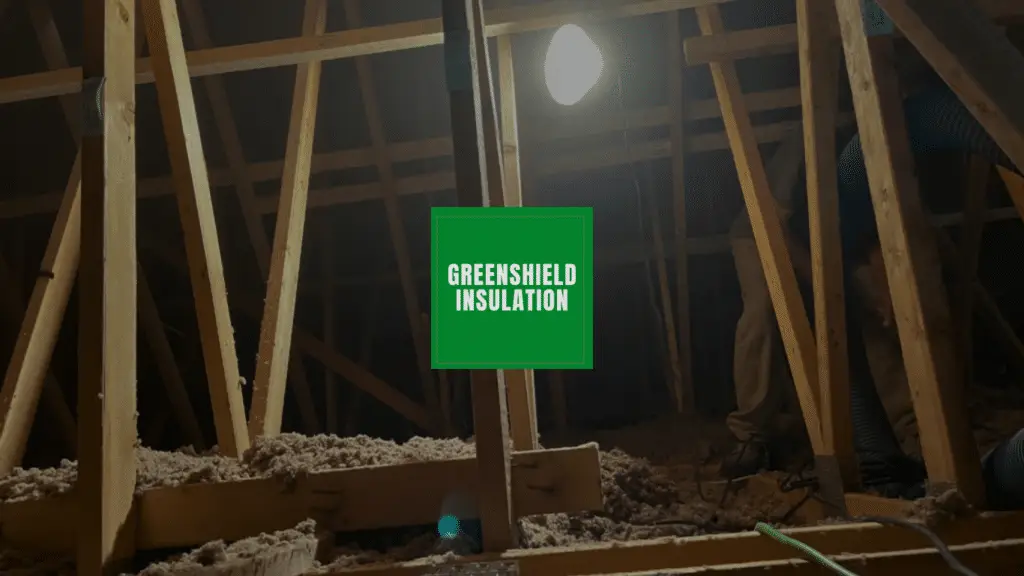
Blown-in cellulose is often a practical choice for open attic floors because it can be installed across irregular areas and around framing with consistent coverage. It may be used to improve an existing attic after necessary air sealing and preparation are complete.
Before adding material, we evaluate access, existing insulation, signs of moisture, bath-fan ducting, recessed fixtures, combustion-clearance needs and airflow at the eaves. Old insulation does not always need to be removed, but wet, contaminated, damaged or heavily disturbed material may require insulation removal before new work begins.
When Spray Foam May Be Appropriate
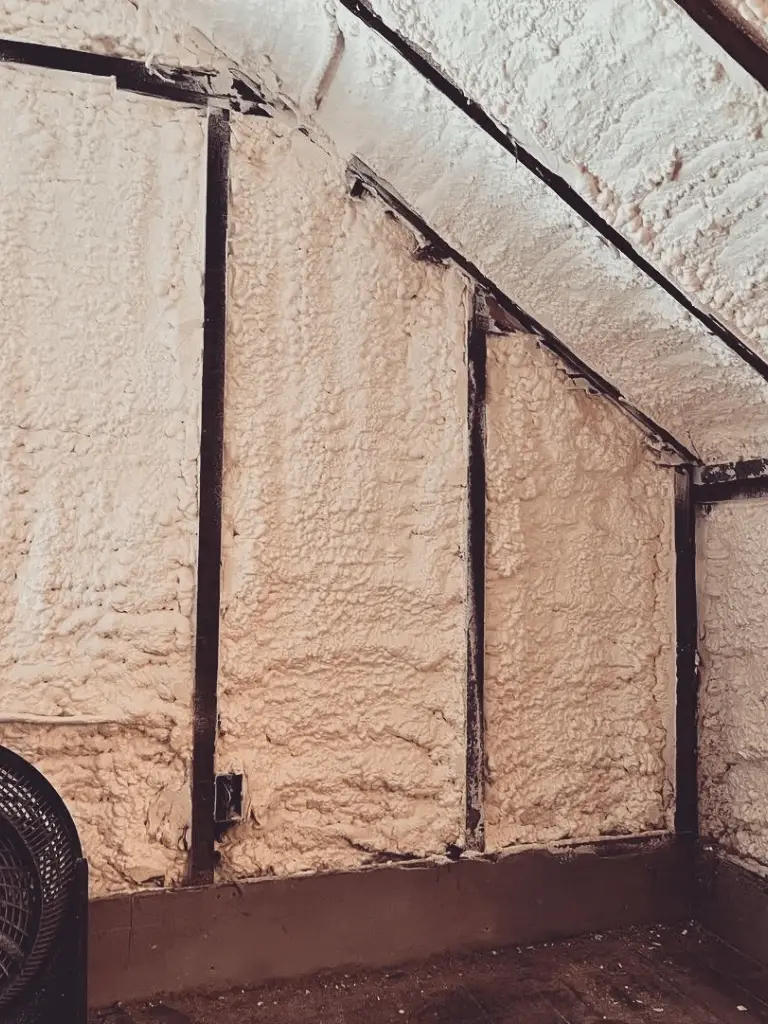
Spray foam is not automatically the best answer for every attic. It may be appropriate at rim joists, specific air-leak locations, roofline assemblies or other details where insulation and air control need to work together. The choice between open-cell and closed-cell foam depends on the assembly, required thickness, moisture strategy and product requirements.
For a standard vented attic, air sealing followed by blown-in insulation may be the more practical approach. For an unvented roof assembly or a difficult framing condition, spray foam insulation may deserve consideration. Greenshield recommends the material that fits the building—not one product for every project.
How Attic Ventilation Fits In
In a vented attic, intake and exhaust ventilation should provide a clear path for outside air without allowing insulation to block the eaves. Properly installed baffles help maintain that path and keep loose-fill insulation where it belongs.
Ventilation does not replace air sealing or insulation, and more ventilation is not always the answer. The roof design, existing vents, indoor moisture sources and insulation approach must be considered together. That is why Greenshield inspects the attic before recommending baffles, ventilation changes or a different insulation strategy.
What We Check During an Attic Assessment
- Existing insulation type, depth and coverage
- Accessible air-leak locations and the attic hatch
- Eave baffles and visible ventilation pathways
- Bath-fan ducts and other penetrations
- Visible moisture staining or damaged insulation
- Areas that may need removal, preparation or safety clearances
After the inspection, you receive a written recommendation based on the attic’s actual condition. If a different part of the home is the likely source of the problem, we will explain that instead of selling unnecessary attic work.
Homeowners looking for an insulation contractor serving Kalamazoo, Portage, Mattawan and nearby Southwest Michigan communities can request a free on-site estimate.
Recent Attic Insulation Work


Request a Free Attic Insulation Assessment
Tell us what rooms feel uncomfortable, what you know about the existing insulation and whether you have noticed drafts, moisture or ice-dam concerns. Greenshield will inspect the area and provide a clear written estimate for the work that makes sense.