Discover the Advantages of Spray Foam Insulation
Greenshield Insulation offers top-quality spray foam solutions to enhance your home’s energy efficiency and comfort.
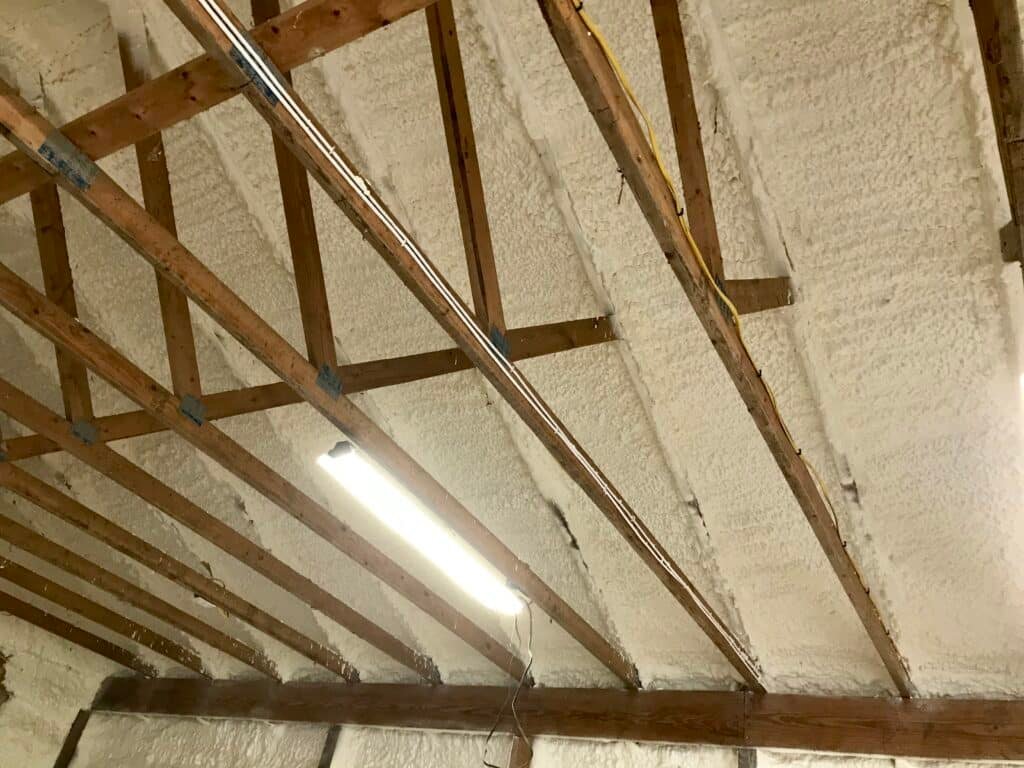
Slash Energy Bills by Up to 40% | SW Michigan
Living in Mattawan, MI, means enduring cold winters and humid summers, which can skyrocket your energy bills. At Greenshield Insulation, a family-owned insulation contractor with over 50 years of experience, we recommend spray foam insulation for homeowners in Kalamazoo, Portage, and Allegan County. Here’s why it’s the top choice for Southwest Michigan homes.
Consumers Energy Rebates Up to $500
As a Consumers Energy preferred partner, Greenshield helps you claim 2025 rebates ($50–$400, per web:3, April 17, 2025). We handle the paperwork, ensuring you save on spray foam projects in Kalamazoo or Portage.
Noise Reduction for Peaceful Living
Spray foam’s soundproofing qualities are ideal for homes near Mattawan’s M-43 or Kalamazoo’s busy streets. Our open-cell foam (R-3.5 to R-4, p) creates quieter nurseries or home offices.
Transform Your Indoor Air Quality with Spray Foam Insulation
Breathe Easier in Your Mattawan Home.
Did you know that spray foam insulation can significantly enhance the air quality in your space? Unlike traditional insulation, it forms an airtight seal to block outdoor pollutants, mold, and allergens. For families in Mattawan, this means enjoying cleaner air for you and your loved ones.
Michigan R-Value Chart
Quick reference guide for common insulation applications in Michigan homes, garages, crawlspaces, pole barns, and attic upgrades.
Recommended Insulation Areas
| Area | Typical Target | Common Material |
|---|---|---|
| Attic Floor | R-49 to R-60 | Blown-In Cellulose / Fiberglass |
| Cathedral Ceiling | Assembly dependent | Open Cell / Closed Cell Spray Foam |
| Exterior Walls | R-13 to R-21+ | Fiberglass / Cellulose / Spray Foam |
| Crawlspace Walls | R-10 to R-15+ | Closed Cell Spray Foam / Board Foam |
| Rim Joist | Air seal + high R/inch | Closed Cell Spray Foam |
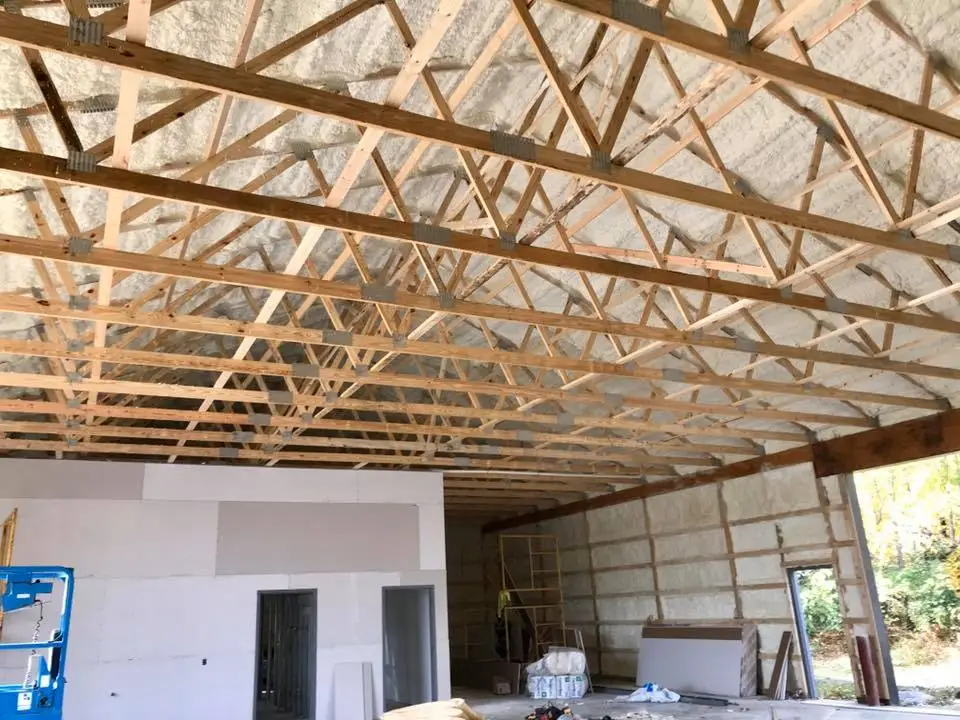
| Pole Barn Walls | Project dependent | Closed Cell Spray Foam / Hybrid |
| Pole Barn Roofline | Project dependent | Spray Foam Systems |
R-Value by Material
| Material | Approx. R-Value Per Inch | Notes |
|---|---|---|
| Open Cell Spray Foam | R-3.5 to R-3.8 | Great air sealing for many wall and roof deck applications. |
| Closed Cell Spray Foam | R-6 to R-7 | High R-value, moisture resistance, strong option for tight spaces. |
| Blown-In Cellulose | R-3.2 to R-3.8 | Popular for attic upgrades and retrofit coverage. |
| Fiberglass Batt | R-3 to R-3.4 | Common in wall cavities and standard framed assemblies. |
| Blown-In Fiberglass | R-2.2 to R-2.7 | Often used in attics where extra depth is available. |
These values are general planning references. The right insulation system depends on framing depth, ventilation, moisture conditions, building use, and project goals.
For an exact insulation recommendation, it’s best to have the home or building evaluated on-site.
Discover Key Facts About Insulation
Insulation plays a crucial role in maintaining the comfort of your home and significantly enhances energy efficiency. Here are some notable facts:
- Energy Savings: Proper insulation can reduce energy bills by up to 30% by keeping heat in during winter and out during summer.
- Health Benefits: Good insulation helps prevent moisture buildup, reducing the risk of mold and improving indoor air quality.
- Noise Reduction: Insulation not only keeps your home comfortable but also minimizes outside noise, creating a peaceful living space.
- Environmentally Friendly: Better insulation reduces your carbon footprint by lowering energy consumption.
- Investment Value: Insulating your home adds to its resale value, making it a worthwhile investment for homeowners.
Understanding these benefits can help you make informed decisions about insulation in your home.
Frequently Asked Questions About Spray Foam Insulation
What Is Spray Foam?
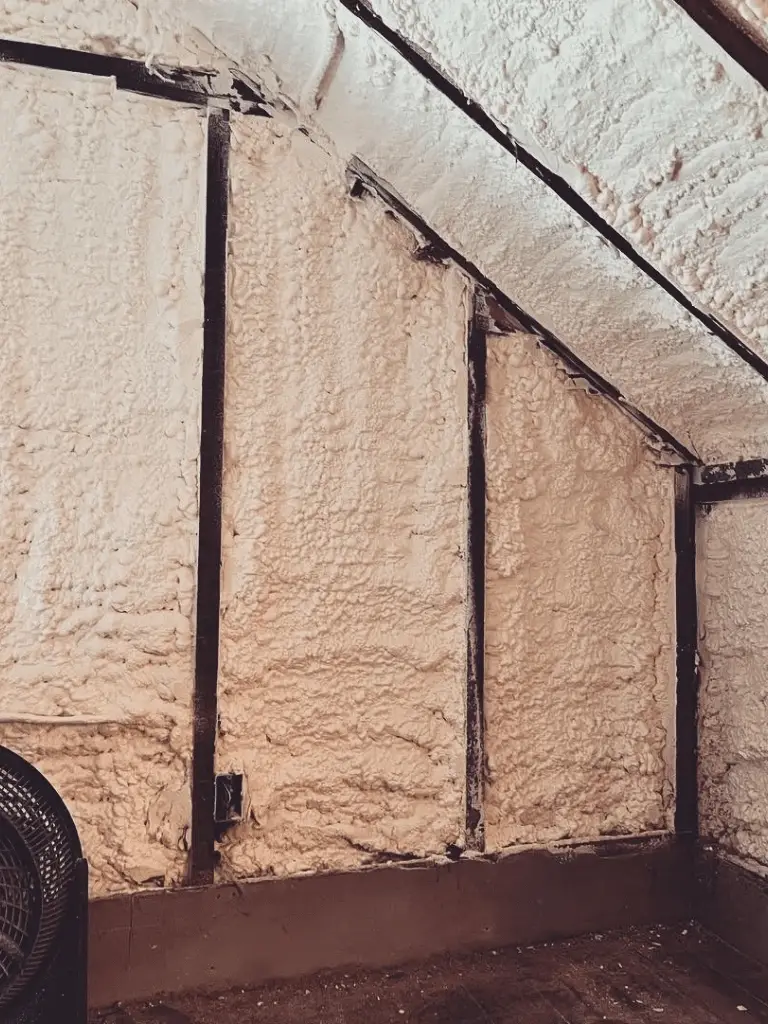
Spray foam insulation is a type of insulation that expands upon application, creating an airtight seal to minimize energy loss. It’s known for its excellent thermal performance and soundproofing qualities.
How Long Does It Last?
Spray foam insulation has a lifespan of 30 to 50 years, making it a durable and effective choice for home insulation.
Is Greenshield SPF Certified?
Yes we are, and when installed by a professional, spray foam insulation is safe for your home and family. It’s made from non-toxic materials and can improve indoor air quality.
What Our Mattawan Customers Are Saying
Michigan Climate Zone & Rebate Information
Helpful guidance for homeowners in Southwest Michigan exploring insulation upgrades, energy savings, and available rebate opportunities.
Climate Zone Information
Most of Southwest Michigan, including areas such as Mattawan, Kalamazoo, Portage, Paw Paw, Schoolcraft, Lawton, and Vicksburg, is generally treated as part of a cold-weather climate zone for insulation planning purposes.
Because this region experiences long winters, freezing temperatures, and significant heat loss demands, insulation upgrades in attics, crawlspaces, rim joists, walls, and pole barns can have a major impact on comfort and efficiency.
- Attics: Often benefit from insulation levels around R-49 to R-60.
- Air Sealing: Important around attic bypasses, top plates, and penetrations.
- Crawlspaces & Rim Joists: Common trouble spots for drafts and moisture issues.
- Spray Foam Applications: Great for air sealing and high performance in difficult areas.
Rebate & Incentive Information
Homeowners may be able to lower upgrade costs through available utility rebates, energy efficiency programs, or tax incentives tied to qualifying insulation improvements.
- Utility-sponsored energy efficiency rebate programs may be available depending on your provider and project type.
- Some insulation and air sealing improvements may qualify for federal energy-efficiency tax benefits when applicable.
- Eligibility often depends on product type, installation area, and current program rules.
- Documentation requirements may apply, including invoices, product details, and proof of installation.
Program availability, qualification standards, and tax incentive rules can change. Final eligibility should always be verified based on the most current utility and tax guidance.